
Still Water
Four Years at America's First Zen Monastery

“When you do something, you should do it with your whole body and mind; you should be concentrated on what you do. You should do it completely, like a good bonfire. You should not be a smoky fire. You should burn yourself completely. If you do not burn yourself completely, a trace of yourself will be left in what you do.”
― Shunryu Suzuki, founder of Tassajara Zen Mountain Center
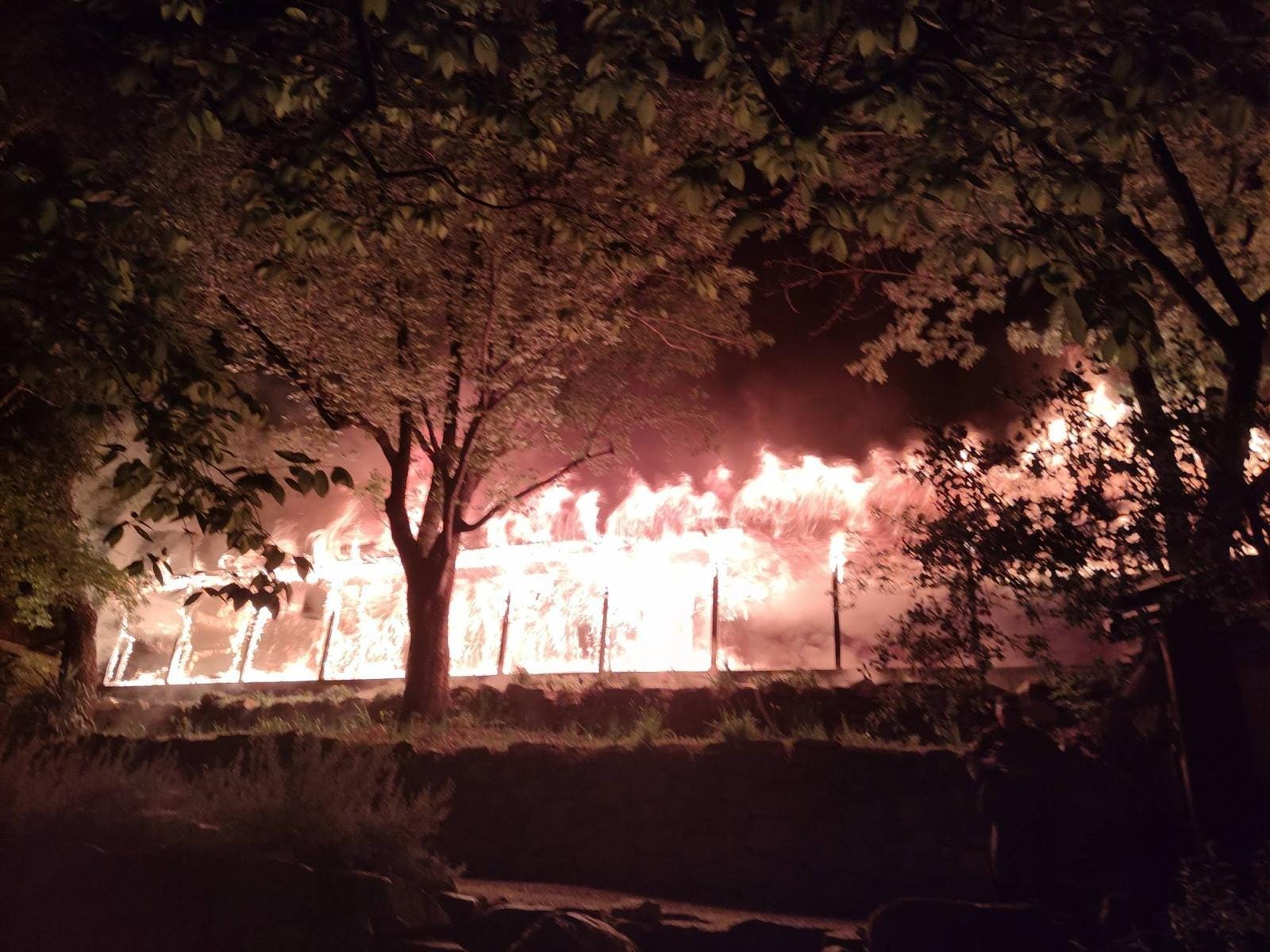
The photo on my screen didn’t quite register. Smoldering gray ash. A familiar stone wall. A bare tree in front of a column of smoke. A follow-up text from Nick read: “Zendo burnt down. What the fuck is even going on anymore.” I was planing Douglas fir 4x4’s when I felt the buzz. I set the plane down and looked at the photo for a long time. I was supposed to be getting ready to go to Tassajara for Work Period. For the first time in five years, I had no plans in April.
There is a particular smell to fresh Douglas fir shavings. Something between rain and resin. I kept milling the wood. The fresh fir saw dust filled the air with a pine resin incense. The wind moved off the ocean through the tops of the redwoods. My hands knew what to do. My mind was somewhere else entirely — fourteen miles down a dirt road in the mountains above Big Sur, in a valley I had driven into every spring and autumn for four years, in a room where the creek outside the window ran so loud the first night I couldn’t sleep. I thought about my first week at Tassajara, sweeping the same path three mornings in a row before anyone explained why.
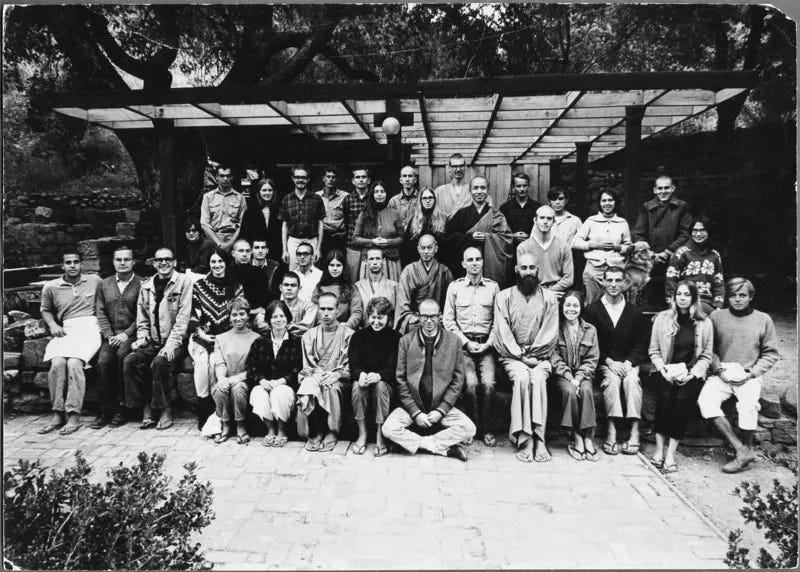
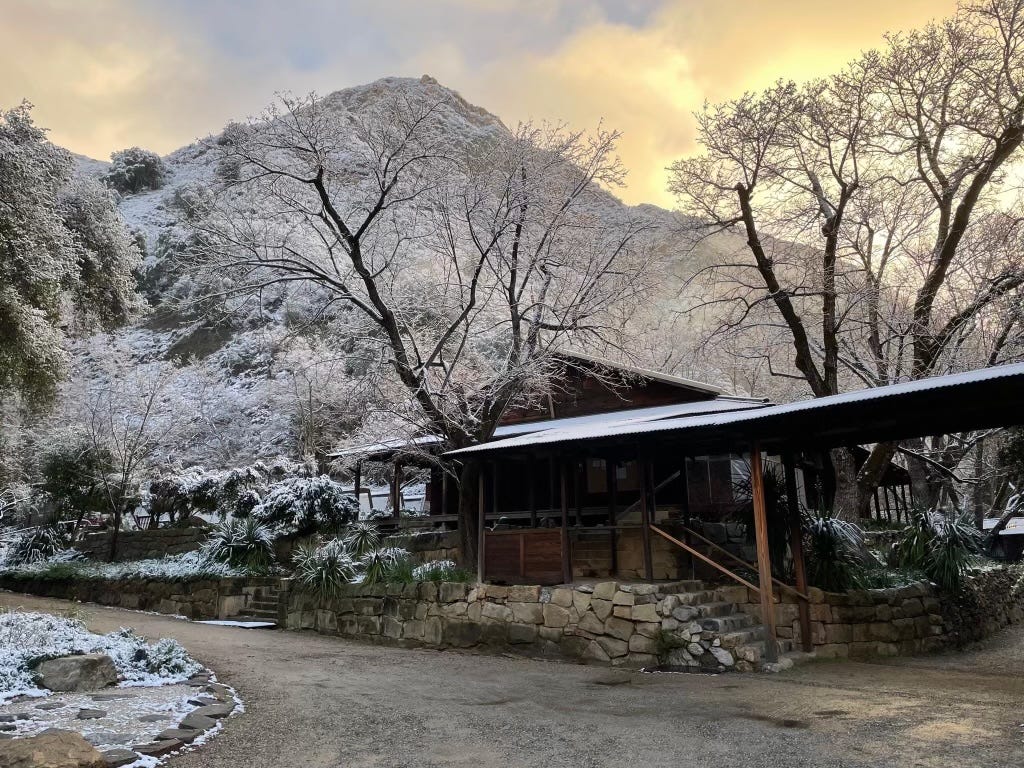
Most people have never heard of Tassajara Zen Mountain Center. Those who have usually know it one of two ways — either as a hot spring resort tucked into the Ventana wilderness of Big Sur, accessible by a fourteen mile dirt road that most rental cars won’t survive, or as the first Zen Buddhist monastery established in the United States, founded in 1967 by Shunryu Suzuki Roshi and a group of his American students who wanted to practice seriously and needed somewhere the world couldn’t follow them. Both things are true. In summer the gates open and guests come for the baths and the silence and the food, which is renown (several cookbooks have been written by past chefs or tenzos). In winter the gates close and the monks settle in for months of intensive practice. In between, twice a year, there is Work Period — a few weeks when volunteers come from everywhere to help ready the monastery for what comes next. You work eight hours a day and eat three meals and sit zazen, a style of meditation, morning and evening and sleep in a narrow bed and wake before dawn to the sound of a wooden board being struck in the dark. In exchange you get something harder to describe. I spent four years trying.
I found Tassajara the way a lot of people find Zen — through grief, and through a friend who knew something I didn’t.
A few years before I knew anything about Zen I was teaching at California College of Arts and met a fellow teacher at a faculty meeting. Tom Ingalls’ very first question to me was “are you a Buddhist?” I was not. He was about forty years older than me and had lived a storied life in the graphic design world. He shared a studio with David Lynch in grad school, was the first employee at WET Magazine. Between conversations about new restaurants, good design, and gallery openings, he kept asking me to come meditate with him at San Francisco Zen Center. At some point I finally caved. The building takes up half a city block, all imposing brick from the street. Inside, tatami mats and cushions. I showed up on a Monday night to a group of about thirty people. We meditated for twenty minutes and then people started sharing their names and their addictions. Then Tom gave a talk about his own path there. I had walked into a Meditation and Recovery group. Walking home I kept thinking about what it meant to see people who had gone through hell and not only pulled themselves out, but were reaching back down to help the next person.
I had been inside institutions that claimed transcendence before. In Catholic school the nuns would extol the glory of their faith and in the next breath berate children for being children. Once a nun pushed me down the steps as I stopped to look at a statue of the Virgin and Child. I was seven or eight. It’s hard to remember through the trauma of daily abuse. I didn’t stop looking for what that statue promised. I just stopped trusting the people guarding it.
The next couple of months Tom and I got dinner and went to the meetings. It was a good routine but I was still struggling with codependency and I think Tom could see that. He invited me to a day-long meditation at Green Gulch. I was intimidated. I could sit for twenty or thirty minutes but not all day. I woke up at 6:30 to catch a ride with Tom and stuck a joint in my pocket in case of emergency. Green Gulch sits in the green hills of Marin, a short walk from Muir Beach. The zendo was a cow barn once. You could still feel the dimensions of it when you sat. When we got there the teacher was already in the hall, someone Tom knew. He told a few jokes, showed us how to sit more comfortably. We went for walking meditation and did chi gong. At lunch Tom introduced me to Ed Brown over a bowl of lentil soup. As he shook my hand he asked what I did for a living. Letterpress, I said. He told me I had really strong hands for an artist. I liked him. Ed Brown wrote the Tassajara Bread Book. He was a Bay Area celebrity of sorts. You wouldn’t have known it from the handshake.
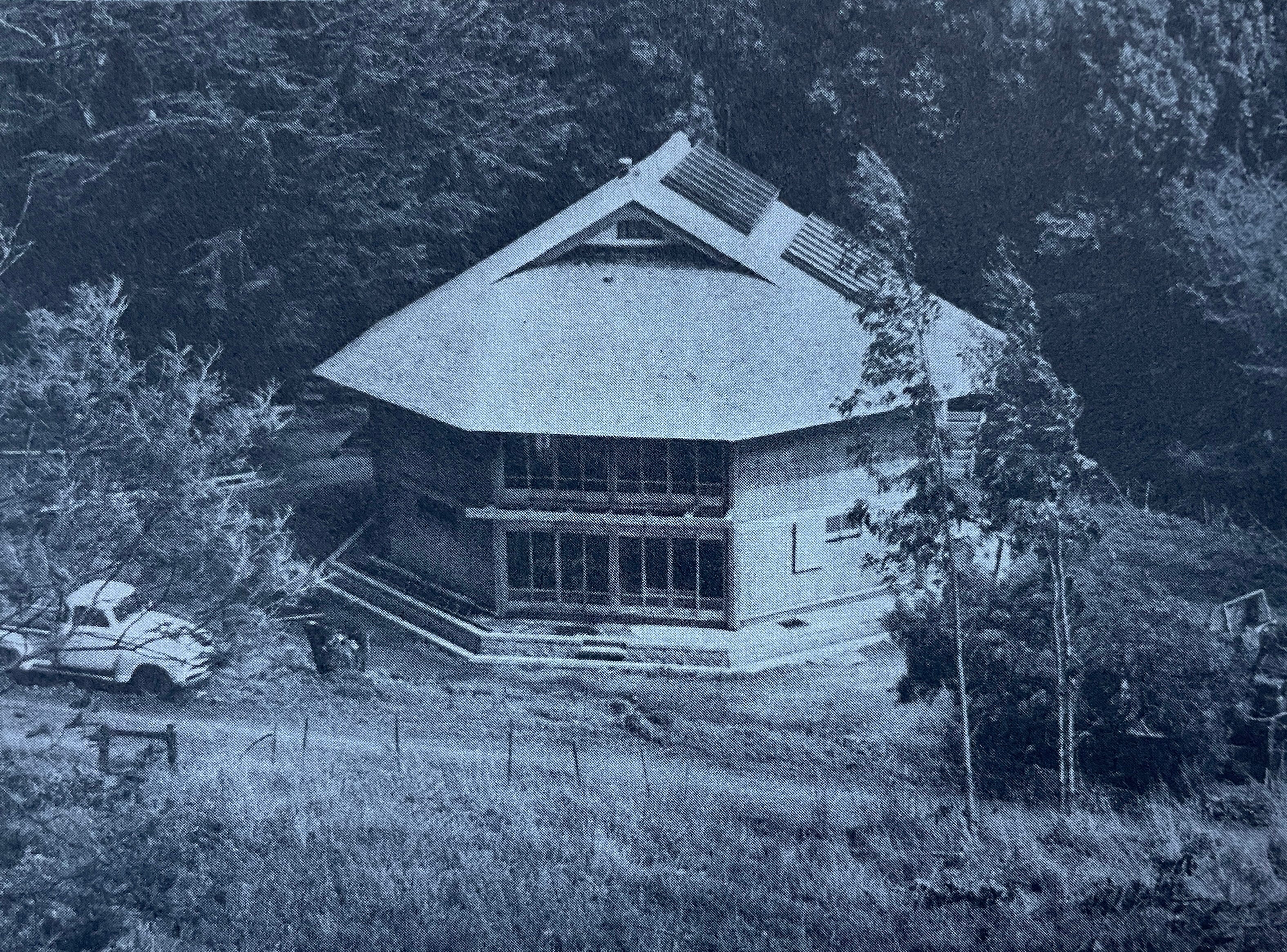
I went back. And then I went back again. I never needed the joint. Something was happening to me in that old cow barn and I couldn’t explain it and didn’t particularly want to. I wasn’t reading scripture or studying doctrine. I was just sitting facing a wall in Marin County at seven in the morning and feeling, for the first time in a long time, like I was exactly where I was supposed to be. My posture improved. My attitude improved. I started waking up earlier than I needed to. I started looking forward to the drive.
I asked Tom what else I could do and he told me about Tassajara. Work Period specifically — the shoulder season between winter practice and summer guests when volunteers come to help open the monastery for guests. You work hard, you eat well, you sit zazen twice a day, and you soak in hot springs that have been running out of the mountain since long before anyone built anything around them, only the Esalen peoples were there then. I applied shortly after that conversation. This was January of 2020. COVID shut Tassajara’s gates before I ever got close, and kept them shut for two years. I waited.
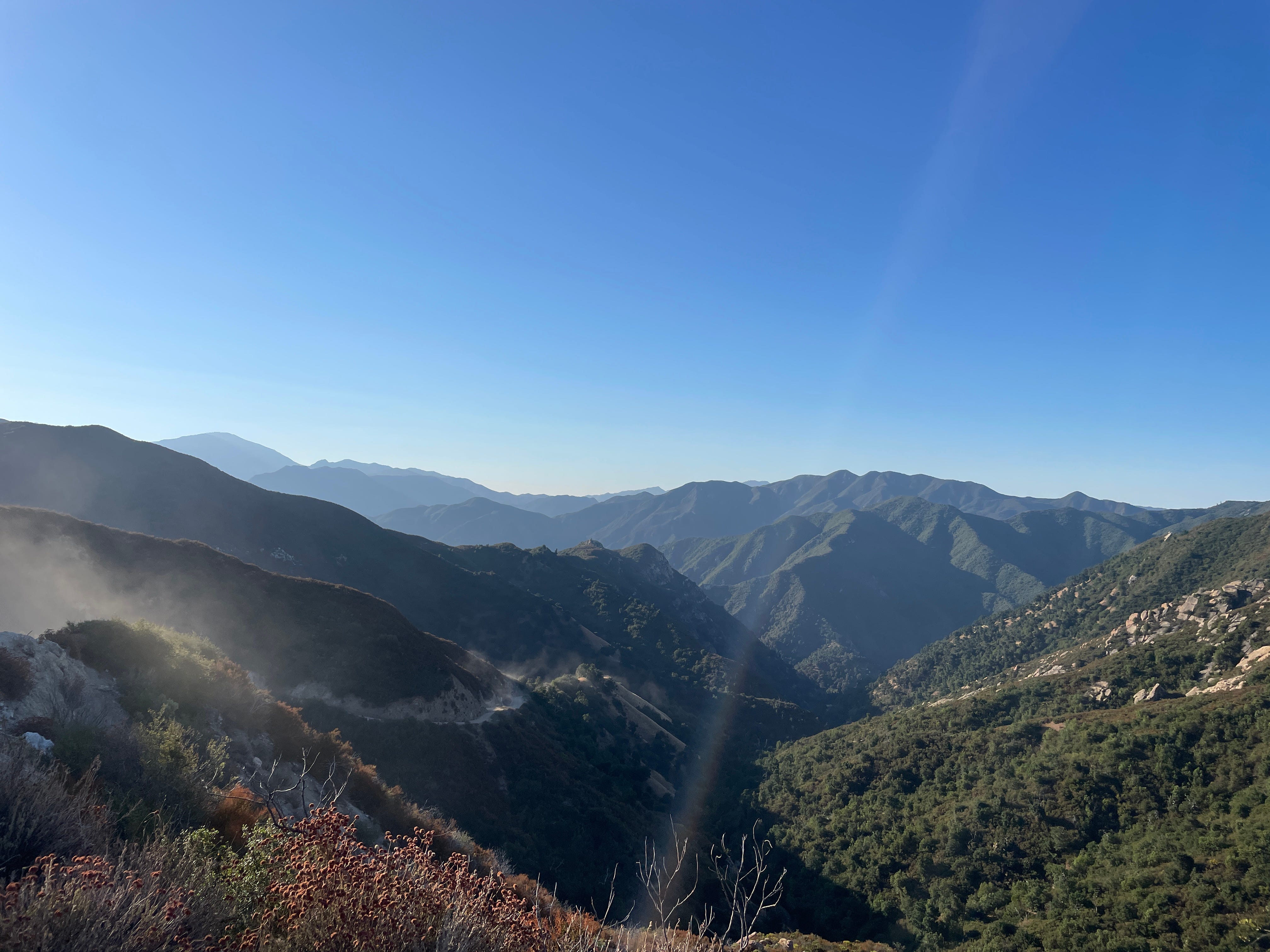
Two years later I picked up two students at the last stop on the paved road, Jamesburg. We loaded into my truck for the fourteen mile “road” into the mountains. Four wheel low. Deep gullies from the winter rains had washed the rock road to the edge of thousand foot drops below. The hillsides looked like Zion — sandstone bluffs and giant boulders — but greener, wilder, like the ocean floor tilted sideways and shot up into the sky. The two students talked the whole way in. The food. The long hours. The hot springs. The sitting, so much sitting. I was only half listening. I was watching the road and the canyon and thinking I had no idea places like this existed in California and I had lived here for sixteen years.
As we descended the landscape changed. Greener. Humid in the hollows. A long row of dusty cars lined up along the road, every one of them having made the same journey over the mountain. We parked and walked to the gate — mud earth, thatched roof, like something that had grown there rather than been built. I stopped. What was this place? It felt like the monastery Han Shan might have wandered into when he came down from Cold Mountain, civilization appearing suddenly in the middle of the Ventana wilderness like it had always been there and the rest of the world was the aberration.
Through the gate I had no idea where anything was. I stopped the first person I saw and asked. Then the hand cart, trip after trip back to the truck, hauling everything down into the valley. Someone pointed me to my room assignment and I climbed up into the loft of an old barn, hot and dusty, half walls between the sleeping areas, a real life monastery experience I thought. Then I found out my actual room was below. Finished but spare. A single bed, a small window. Out the back the creek ran fast with the spring snow melt, loud enough that first night that I lay awake wondering if I’d ever sleep. By the end of the month I couldn’t sleep without it.
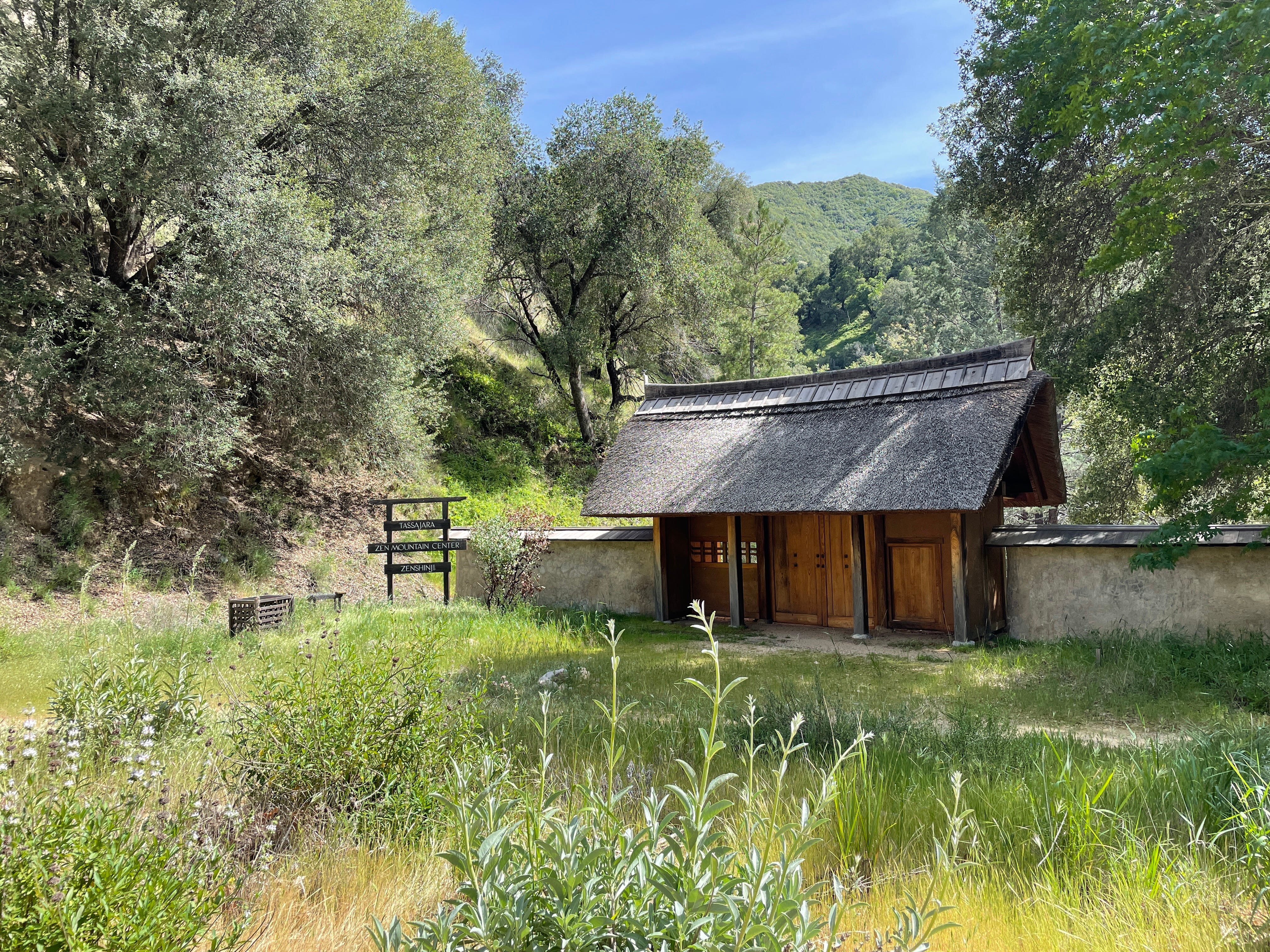
I hear what sounds like a wooden ball being dropped down a flight of steps. A rhythmic hollow sound, tempo quickening. Then a loud crack. I wake up. It’s dark. 5:30 in the morning. Cold in my small room. The twin mattress is hard and my sleep wasn’t good, even after nearly a month on it. An arm or leg falls asleep and I turn over. The ball starts down the steps again. This time I’m awake and I know what it means.
I don’t struggle to find my clothes in the dark. They are in the same place every time. Loose fitting pants. A shirt that wraps around my chest, secured at the sides. My Birkenstocks right where I left them. I hurry to the bathroom. Three other people wash their faces quickly and go out the door. I do the same.
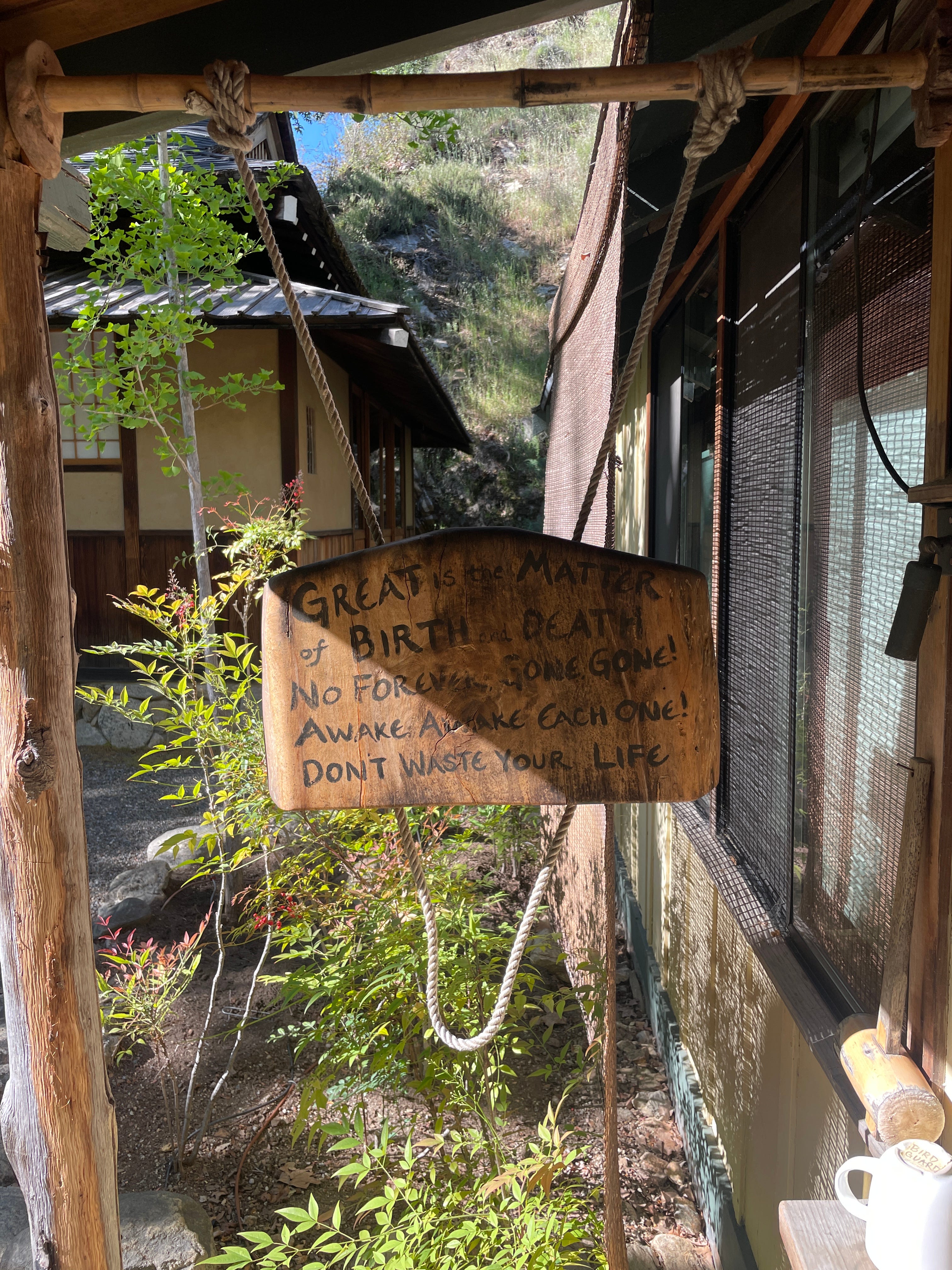
The han and jikido are making the noise that woke me. The han is a wooden board about two feet square, hanging from a rope on a peg in the wall, hollowed out on the back to resonate the sound. The jikido is the person striking it with a wooden mallet. On the front, where the mallet lands, a poem is scrawled in black: Wake up. Wake up. Great is the matter of birth and death. Don’t waste your time. Each strike mars the letters a little more. The mallet has carved a deep crater into the wood. Eventually it will break and another will take it’s place.
Black shapes move on dirt paths in the predawn light. The valley walls rise above, blocking the stars, cutting velvet silhouettes against the sky. My body does not want to move. My mind tells it to keep going. I climb stone steps grooved by many mornings. I slide off my Birkenstocks and line them up beside a dozen others. My bare feet find the cold worn wood of the engawa. I’ve learned where the nail heads are, where the boards creak. A small morning dance. I hold my hands at my solar plexus, left thumb tucked into palm, right hand wrapped around left. It makes the morning a little warmer. I turn the corner and go through the door.
The air inside is still. Warmer. Sandalwood and aloewood hit me like a wall. Two oil lamps burn low on the far side of the room, one on each side of a dark stone figure. I bow as I enter and walk toward it. In the dim light the statue takes shape slowly. Soft features. Dark stone hair in a bun. Seated robes flowing down. A peaceful expression. Eyes slightly open. The large stone Buddha sits, waiting patiently. I walk past the altar and turn right.
My cushion is on a raised platform ahead. I cannot get there soon enough. Yesterday was long. It took a while to wash the dirt off in the baths. The hard bed gave my sore body no rest. I climb onto the platform and feel my weight sink into the cushion. Soft and worn. Sat on many times before by others. I face the wall with everyone else. A small bell, then a large one. We settle in. I stare at one spot on the dimly lit wall. Twenty minutes, another bell. A five minute stretch break. Another bell, another twenty minutes. This is my favorite part. Somewhere outside one bird wakes up and gives its first call of the day. Another answers. The pale blue light comes through the paper screen window above the wall where I stare. The world is waking up and I’m awake to greet it. This is why I told my body to move this morning. Those twenty minutes go by faster than the first. Another bell, another roll down, another bell.
I slide my now-cold Birkenstocks back on and descend the stone steps into the gravel courtyard. A coffee mug hangs on a peg with a strip of masking tape on it. My name written in Sharpie, and my departure date. I pour a cup and stand there. Quiet before the first word of the long day ahead.
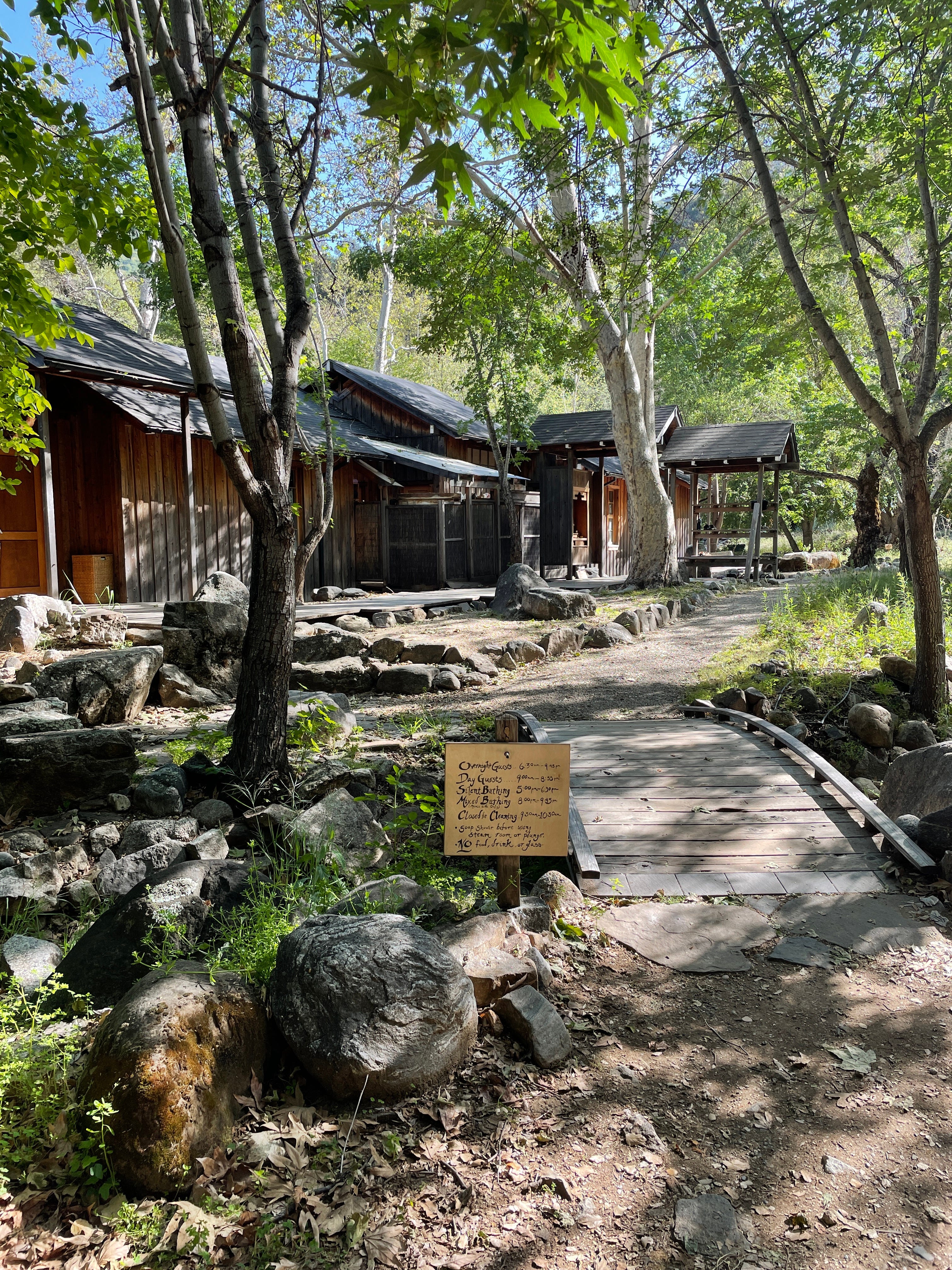
Every morning at 8:30 we gathered in the work circle, all hundred of us, volunteers and students and staff blinking in the mountain light, and I loved every bit of it — the rattlesnake spotted near the Narrows, the Stone Office open for purchases, hands needed to unload the vegetable truck coming down the long dirt road. I loved the work too. After a winter sealed in this wilderness there was so much to put right. I’d drain the bathhouse plunges and scrub each tile and fill them again to exactly 109 degrees. I’d rake the sycamore leaves off the paths, brush cobwebs from the cabin corners. Simple work. Good work. The kind that leaves your hands tired and your mind quiet.
Meals were communal. Large metal trays came out of the kitchen filled with marinated tofu, broccoli, noodles. In the morning oatmeal, stewed fruit, orange juice. We lined up and chanted before the containers reached us.
We reflect on the effort brought us this food and consider how it comes to us.
We reflect on our virtue and practice, and whether we are worthy of this offering.
We regard it as essential to keep the mind free from excesses such as greed.
We regard this food as good medicine to sustain our life.
For the sake of enlightenment we now receive this food.
I limited myself to two heaping bowls of whatever was presented. I was ravenous from the work.
After lunch I would patch meditation cushions, wash the unending dishes, or sweep the walkway around the zendo. The railroad bell ended the work day. Exhausted, dirty, sore, I lowered myself into 109 degrees of water and stayed there until the dinner bell.
It wasn’t always like that. My first week, I was moved mid-morning from oiling outdoor furniture to cleaning the bathhouse. I hadn’t finished the oiling and I could see no reason for the change. I was distraught. Maybe it was years of being my own boss. Maybe it was a week of sleep deprivation. My crew lead found me mopping the bathhouse floor. I told her I needed to finish the other job. She said this was my job now. I said I came here to practice Zen. She told me this was the practice.
She left. I stood with the mop and the steaming plunge and the sound of the creek outside. The large smooth-barked trees lining the water. That was all there was. I had to let go.
Work became easier after that. Not because it got lighter but because I stopped grasping at the outcomes so hard. I made friends. The endless dishes didn’t bother me. I started to see that every job carried equal weight whether anyone acknowledged it or not. The old construction men shoring up a cabin on a slope were doing exactly as much as the student cleaning the zendo bathrooms. One could not happen without the other.
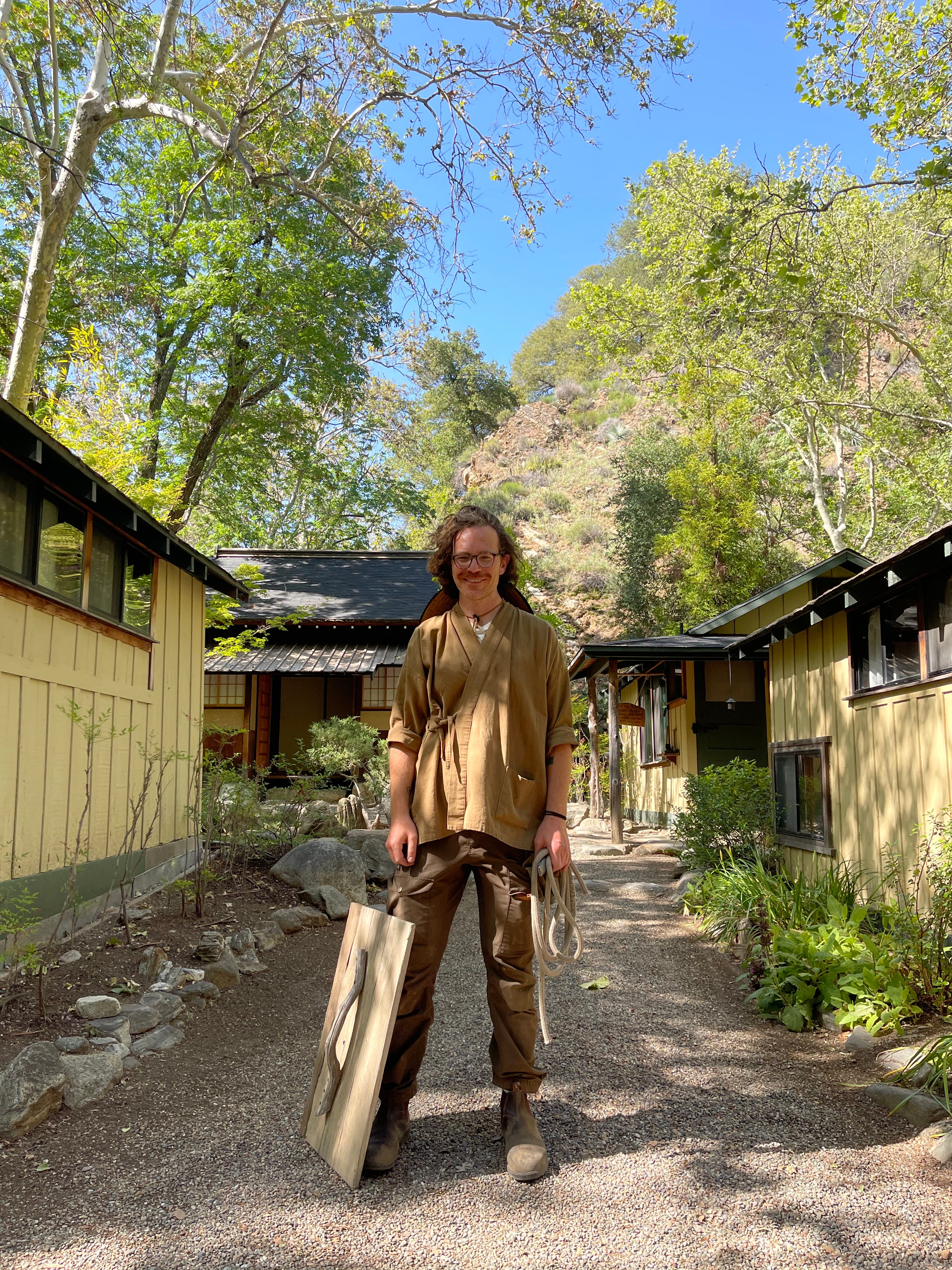
After a month at Tassajara I drove back to San Francisco. My print shop was the same but a few things had gone wrong while I was gone. Client work unfulfilled. The email down. The social media person had quit. I was annoyed but I didn’t have an aneurysm. I knew things needed to change if I was going to keep living in good faith to myself.
Work period at Tassajara became a refuge. I started making time in September and April to drive that fourteen mile dirt road into the mountains and disappear into work as practice. I started bringing friends and family to share in the beauty of the valley. The deeper I went the more I loved it. I was not objective about Tassajara. I didn’t want to be.
In 2024 the Abiding Teacher Leslie James asked me to be Work Leader. The traditional monastery role is called Shissui — Still Water. I took the title as instructions: be steady and flexible. I was honored. I was also, I would learn, now inside the machinery.
As Work Leader I became the person people brought their conflicts to. I learned to help resolve them, and in turn it helped me resolve things in my own life. I was responsible for assigning tasks to all the volunteers. Standing in that position felt like a long way from the morning I stood with a mop telling my crew lead I hadn’t finished the furniture. I didn’t know much about Zen. I still don’t. But I knew how to show up.
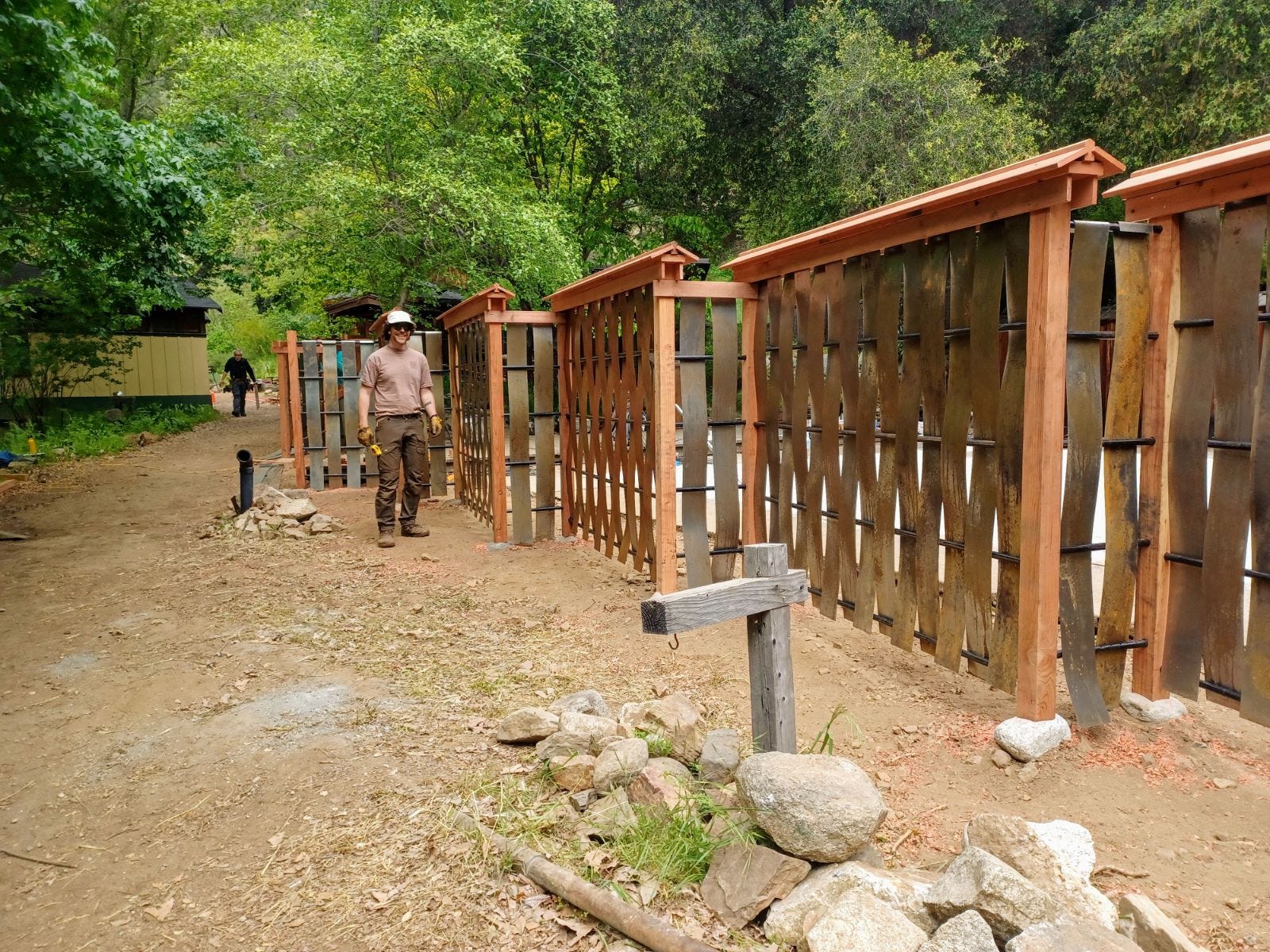
Over the next two years and four work periods I served as Work Leader. Each morning I met with crew leads and staff to hear what they needed. More hands for a job, a specific skill set, a task waiting on supplies coming down the long dirt road. At 8:30, I rang the railroad bell and called everyone to the work circle. When everyone was gathered I lit a stick of incense at the work altar and offered it to Samantabhadra, the Bodhisattva of Great Action. Then I looked at a hundred faces waiting on me to say good morning. Arrivals, departures, announcements, assignments. Most people were glad to be there. A few never liked the work I gave them. When someone was really struggling I joined their crew and worked alongside them. I learned that from my years at the Maritime Museum. I preferred a skipper hauling lines with the crew to one standing on the deck calling orders.
What I was slower to see was the politics that ran beneath the surface of the practice. I had come to Tassajara to step outside one world and found the same human complications waiting inside this one. The monastery is not a solution. It’s a crucible. That’s the point, I think. But I was slow to understand what that meant for me personally.
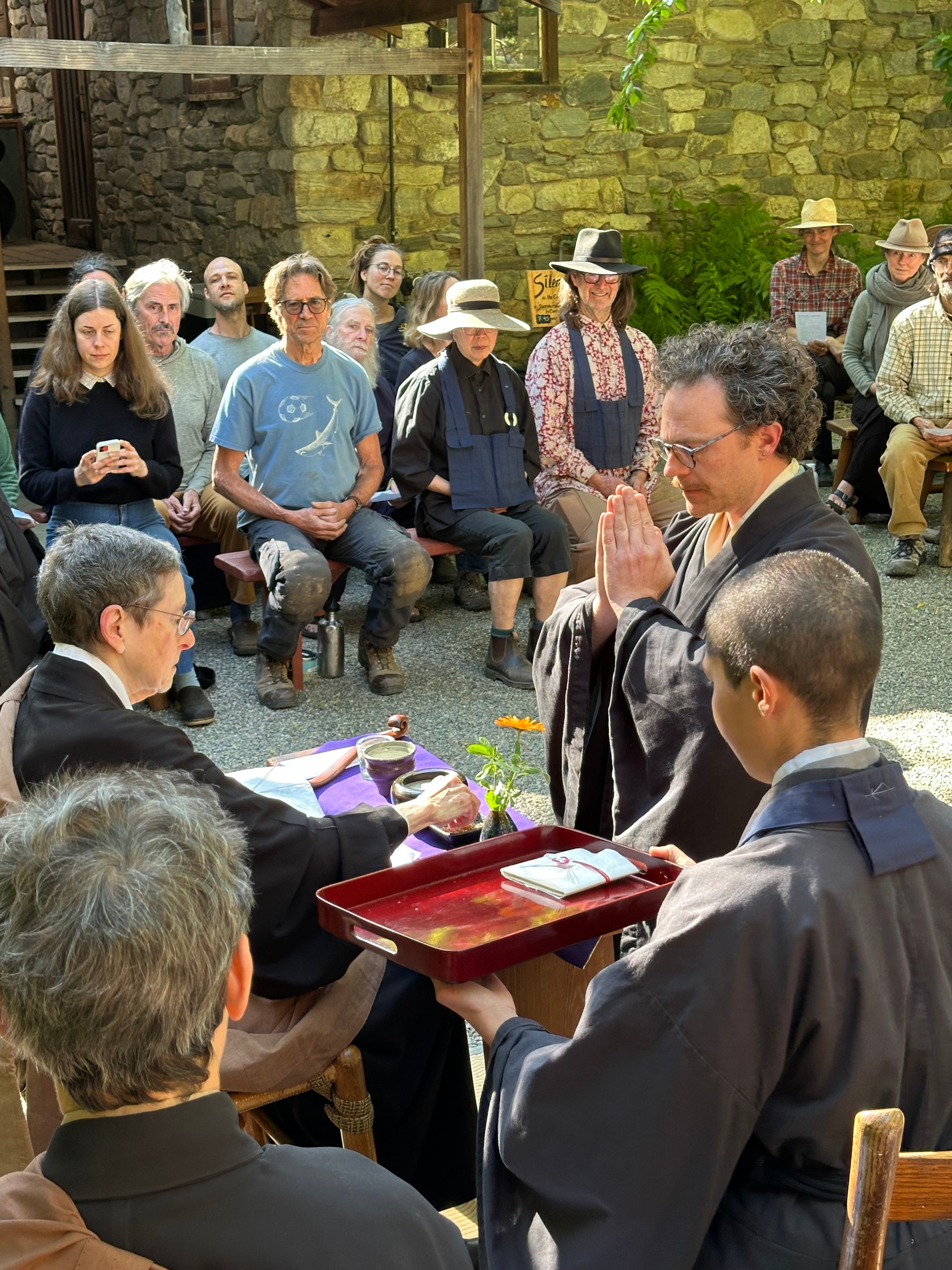
My jukai — the taking of lay vows — happened on April 17th, 2025, in the outdoor courtyard between the kitchen and dining room. An altar was set up facing the creek. I spent most of the day in the kaisando, the founder’s hall. A traditional Japanese structure built by hand, designed by the legendary Paul Discoe. Sloping wooden roof. Paper sliding doors. The smell of tatami mats. An altar with a photograph of Suzuki Roshi and his teacher. A house for the ancestors of the tradition. I sat on the tatami in a long robe and let my mind go where it wanted. My years in San Francisco. Teaching with Tom. Ed Brown’s handshake at Green Gulch. The year before had been hard. Tom died of heart complications. A Zen community I had helped build fractured. I had ended ties with my former business. I sat with all of it in that quiet room and waited.
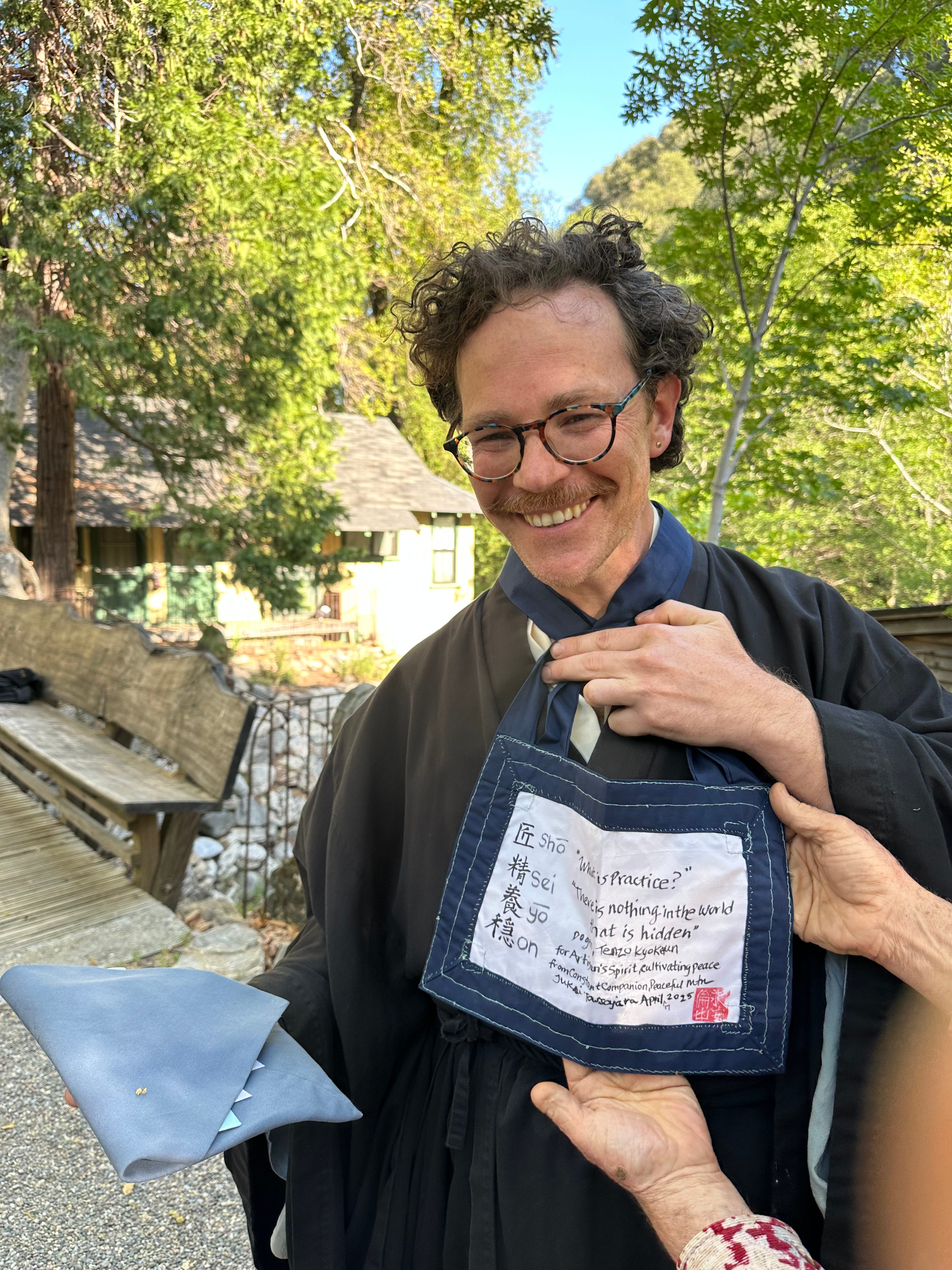
In time I was led out and processed to the bowing mat in front of my teacher, A. Robin Orden. I had met her in the Tassajara kitchen years before, baking cookies. She is about five feet tall, in her seventies, grew up in Brooklyn, and has a take-no-prisoners attitude. When I decided to take my vows I could think of no one else. I repeated them after her. She handed me the rakasu I had stitched together over the previous months. A five-paneled garment worn around the neck, a symbol of Buddha’s robes. On the silk backing she had written the dharma name she was giving me. A name that is both a description and an instruction: Artisan Spirit Cultivating Peace. As I put it on I noticed the pieces of fabric I had taken from Tom’s old rakasu and stitched into mine. His lighter blue against the newer dark indigo of mine. I had been so focused on the weight of the ceremony that I was surprised to look up and find every face from work period surrounding me in the courtyard. Four years of shared mornings. These were my people. I thought this was my place.
That September I returned for what would be my last work period for a long time. I didn’t know it yet but I could feel it. The long golden light of autumn in the valley. Bushy chaparral and jutting blue yucca on the steep hillsides. Rusted red and turquoise cliff faces dripping spring water into the creek, now choked with pale yellow leaves. The season when we readied Tassajara for the long winter ahead.
Outside the valley my life was heading somewhere else. Further north. A new print studio. I couldn’t feasibly spend the extended time at work period anymore. But there was something else. A Zen priest I had a serious unresolved conflict with had been hired at Tassajara for the coming year. I tried multiple times to open a mediated conversation. After several months a response came back. The problem lay within James. I declined to engage further. I resigned as Work Leader.
Cultivating peace, I had learned, was not only about repairing things with other people. Sometimes it was making peace with the fact that some things could not be repaired. A boundary was also a practice. Trying to convince someone of their own wrongdoing was not.
I still believe in the practice. I believe the mop in the bathhouse was a teacher. The masking tape on my mug. The first bird before dawn. Tom asking me if I was a Buddhist before he knew my name. Every one of those things taught me something the institution didn’t give me and couldn’t take away. I’m just free of the belief that corruption cannot touch even this.
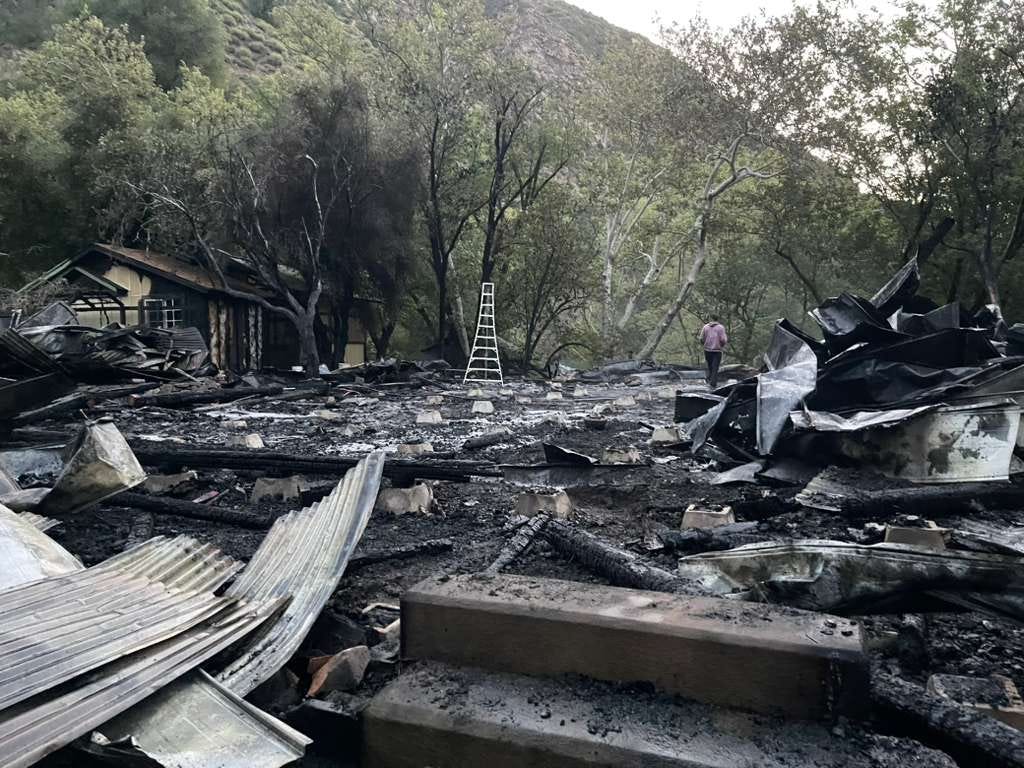
The dry wood and meditation cushions burned quickly. The bronze bells melted. The 2,000 year old statue of Buddha dropped through the altar and shattered on the floor. There was going to be no spring work period to attend anyway, whether I was going or not. No work circles. No one wondering where I was. No conflicts, soiled hands, or hot spring baths. The residents had been evacuated for a hazmat crew to come clean up the site. Not volunteers but hired professionals from the insurance agency. Sterile white suited people sifting through the debris looking for probable cause. Zen in practice.
I put the phone back in my pocket and kept planing the wood. The fir shavings smelled like incense. The wind moved through the tops of the redwoods. Somewhere a bird called once and went quiet.
Disclaimer: I am not a Buddhist authority. I am a guy who prints things on old machines and once spent four years waking up before dawn in a monastery because someone told me the hot springs were worth it. They were. The people in this piece are anonymous. The monastery is real. Whether I understood any of it correctly remains an open question.
Wow! Good one, James!
Relaxed outcomes and boundaries are two things I’ll take with me. Thank you for sharing your experience, and I applaud you for adapting so organically to such a life change.
Such a great loss, but new life comes from death!